
The GCC gaming market is no longer a niche opportunity for global studios; it is becoming a strategic growth corridor shaped by high mobile penetration, young digital audiences, sovereign investment, esports infrastructure, and rising demand for Arabic-localized gaming experiences.
Saudi Arabia and the UAE are leading the most visible transformation, but the broader Gulf region is also becoming more attractive for publishers, mobile studios, esports organizers, platforms, and gaming service providers. For studios entering the region, the core question is no longer whether GCC players are engaged; it is whether the game experience is localized deeply enough to earn trust, retention, and spending.
Market Size and Growth Signals
Market forecasts point to sustained momentum across the Middle East. Mordor Intelligence estimates the Middle East gaming market at USD 4.56 billion in 2025, growing to USD 5.14 billion in 2026 and USD 9.32 billion by 2031, at a 12.66% CAGR over 2026-2031. Newzoo’s 2025 global outlook also positions MENA as a fast-growth region, with MENA games revenue reported at USD 7.1 billion in 2025 and regional growth above the global average. These figures indicate that GCC market entry should be treated as a structured go-to-market initiative, not an afterthought after English-language release.
Saudi Arabia: The Anchor Market for GCC Gaming
Saudi Arabia is the anchor market in the GCC gaming conversation because it combines player scale, purchasing power, and state-backed ecosystem development. PwC Middle East and the Saudi Esports Federation report that Saudi gaming and esports could contribute USD 13.3 billion to GDP and generate nearly 39,000 jobs by 2030 under the National Gaming and Esports Strategy. The Kingdom is also home to 23.5 million gaming enthusiasts, equal to around 67% of the population, which makes localization and Arabic player experience especially important for publishers planning long-term regional growth.
The UAE and Dubai: Ecosystem Building and Developer Attraction
The UAE, and especially Dubai, is building a complementary role as a gaming hub for companies, talent, events, and digital content. Dubai Future Foundation reports that Dubai is home to more than 350 gaming companies, including 260 specialized game developers, and that the Dubai Program for Gaming 2033 aims to place Dubai among the world’s top 10 gaming hubs by 2033. The same program targets 30,000 new jobs and a USD 1 billion GDP boost by 2033. For international studios, this creates a regional base for partnerships, publishing, monetization, localization, and community development.
Player Behavior: Mobile-First, Social, Competitive, and Arabic-Aware
The GCC is strongly mobile-first, but mobile does not mean casual-only. Players engage across mobile, PC, console, and esports ecosystems, often moving between devices and communities. Niko-linked market coverage for Saudi Arabia, the UAE, and Egypt shows that the MENA-3 market was projected to exceed USD 2.2 billion in 2025, with Saudi Arabia accounting for the largest share of 2024 revenue among these three markets. The same coverage notes 72 million gamers in 2024, expected to reach 84.3 million by 2029, with average gameplay of 10.8 hours per week. This creates a strong case for localized onboarding, Arabic UI, regionally relevant store listings, culturally aware live operations, and player support content.
Esports and Events Are Accelerating Market Visibility
Esports has become one of the strongest visibility engines for the GCC gaming market. Saudi Arabia’s first Esports World Cup drew attention through a record prize pool reported at USD 62.5 million, while the national strategy supports ecosystem-building across tournaments, talent, infrastructure, and careers. Dubai’s gaming ecosystem also emphasizes talent, entrepreneurship, digital content creation, and global partnerships. For publishers, this means localization strategy should include not only the game build but also tournament pages, player communications, social content, event rules, sponsorship assets, and broadcast-related content.
Localization Insight: Arabic Is a Product Experience, Not a Content Layer
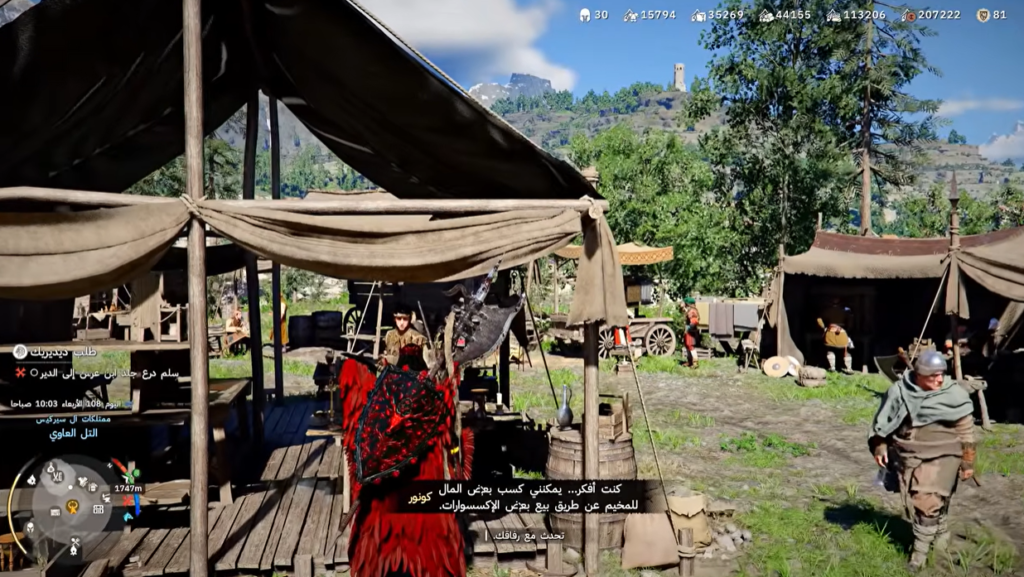
For the GCC gaming market, Arabic localization should be treated as a product experience. This includes right-to-left support, font readability, UI mirroring where needed, subtitle timing, character-name adaptation, voice style, store-page copy, age-rating sensitivity, cultural references, unit and number formatting, and player-support workflows. Literal translation can weaken immersion, while professional localization protects the original creative intent and makes the game feel native to Gulf players. Saudisoft’s video games localization services are relevant here because they cover cultural sensitivity, gaming terminology, technical adaptation, subtitles, layout changes, and localization quality assurance.
Monetization Insight: Trust Directly Affects Conversion
In GCC markets, localization can influence monetization at several points: app-store conversion, tutorial completion, first purchase, battle-pass adoption, event participation, customer support satisfaction, and long-term retention. Payment messages, item descriptions, rarity labels, refund policies, limited-time offers, reward explanations, and push notifications must be clear and culturally appropriate. If a monetization message feels confusing or poorly adapted, players may hesitate before spending. This is especially important for mobile games, live-service games, competitive titles, RPGs, sports games, and community-led titles where regional communication happens continuously.
Market-Entry Strategy for Studios and Publishers
A GCC launch plan should begin before release. Studios should assess target markets, Arabic language scope, platform mix, regulatory requirements, age-rating implications, monetization messaging, local events, community channels, and post-launch content cadence. The localization workflow should include context-aware translation, terminology management, linguistic testing, UI checks, functional QA, cultural review, and live-ops readiness. Teams should also localize app-store listings, screenshots, trailers, launch announcements, patch notes, FAQs, and community moderation templates.
Why Saudisoft Is Relevant for GCC Gaming Growth
Saudisoft supports game developers and publishers with localization services that connect language, culture, and technical quality. Saudisoft’s gaming localization page highlights native-speaker expertise, gaming-domain competence, technical expertise, subtitles, design and layout changes, and game localization QA. For the GCC gaming market, this matters because success depends on releasing an experience that is not only translated, but playable, readable, culturally appropriate, and ready for Gulf player expectations. Teams can contact Saudisoft to discuss Arabic localization, linguistic QA, live-ops localization, and GCC-focused market adaptation.
The GCC Gaming Market Rewards Localized Execution
The GCC gaming market is expanding through a powerful mix of young audiences, government-backed ecosystem building, mobile-first engagement, esports visibility, and Arabic-language demand. The opportunity is significant, but so is the execution challenge. Studios that localize early, test thoroughly, and communicate with cultural awareness will be better positioned to earn player trust and long-term engagement. For publishers preparing a GCC launch or improving an existing Arabic build, request a GCC game localization consultation from Saudisoft and build a localization workflow that supports market growth from launch through live operations.