GCC Company for Translation and Arabisation, Companies expanding across Saudi Arabia, the UAE, Kuwait, Qatar, Bahrain, and Oman need Arabic communication that is accurate, culturally relevant, and technically ready.
Choosing a GCC company for translation and Arabisation helps businesses adapt documents, websites, software, multimedia, and marketing content for audiences across the Gulf. Arabisation is more than translation; it is the process of making content work naturally in Arabic while preserving brand identity, usability, and business intent.
What Does Translation and Arabisation Mean?
Translation and Arabisation focuses on adapting content into Arabic for real-world use. It may include terminology management, cultural adaptation, right-to-left layout, Arabic typography, local market tone, bilingual formatting, and linguistic quality assurance. A corporate brochure, mobile app, e-learning course, government proposal, product manual, or software interface may each require a different Arabisation workflow. For GCC markets, the goal is to create Arabic content that feels professional, regionally suitable, and ready for publication or official use.
Saudisoft: A Regional Partner for Translation and Arabisation
Saudisoft provides translation and localization services for organizations that need to communicate across languages and markets. Public profiles describe Saudisoft as a localization and translation company with long experience in the MEA region, Arabic language support, RTL engineering consulting, localization engineering, desktop publishing, layout, and testing services. This makes Saudisoft a strong fit for businesses looking for a GCC company for translation Arabisation that can combine linguistic quality with technical localization expertise.
Services GCC Businesses Commonly Need
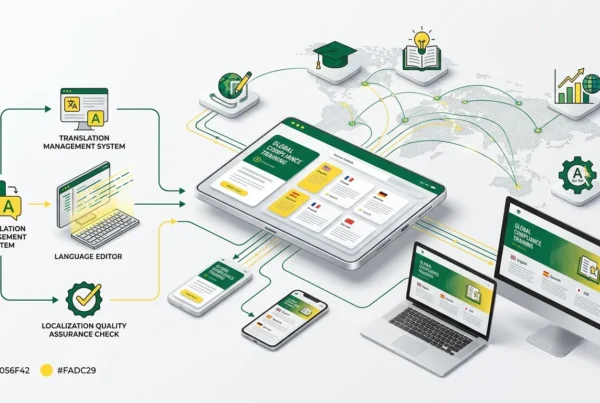
GCC-focused companies often request Arabisation for legal documents, business proposals, investor presentations, financial reports, websites, apps, software, training materials, product documentation, marketing campaigns, and customer-support content. Saudisoft’s localization and translation services cover multiple content formats, including software, websites, multimedia, and e-learning. This matters because organizations often need one partner that can handle language, design, engineering, QA, and delivery standards within one controlled workflow.
Arabic Localization, RTL Engineering, and User Experience
Arabic content must be visually and functionally correct. For digital products, Arabisation may involve right-to-left interface support, line-break testing, Arabic font checks, mirrored layouts, translated UI strings, date and number formatting, and functional testing. Without this technical layer, an Arabic version may look translated but still feel broken to users. Saudisoft’s capabilities in localization engineering, desktop publishing, layout, and testing help companies reduce these risks and prepare Arabic experiences for GCC users.
Cultural Adaptation for Gulf Audiences
Successful Arabisation also requires cultural awareness. Marketing copy, product messaging, training content, games, multimedia, and customer-facing communication should reflect Gulf expectations without losing the original brand voice. Direct translation can sound flat or inappropriate when tone, expressions, or user expectations differ from one market to another. A professional Arabisation process adapts the message while keeping the goal, emotional appeal, and commercial value of the source content.
Quality Assurance and Consistency
Quality assurance is essential for any GCC translation and Arabisation project. Terminology should remain consistent across files, sections, products, and campaigns. A professional workflow may include translation, editing, proofreading, layout review, linguistic QA, functional testing, and final formatting. This is especially important for regulated industries, enterprise software, public-sector content, healthcare, finance, education, and technology. Consistent Arabic language quality helps protect credibility and reduces costly corrections after launch.
How to Start an Arabisation Project
To request an accurate scope, prepare the source files, target markets, target audience, required Arabic style, file formats, terminology references, screenshots, deadlines, and publishing requirements. If the project includes software, websites, apps, or e-learning content, include context notes and testing requirements. Teams can contact Saudisoft to discuss the right translation and Arabisation workflow for GCC markets.
A GCC-Ready Translation and Arabisation Partner
A professional GCC company for translation and Arabisation helps businesses communicate in Arabic with accuracy, cultural confidence, and technical readiness. Saudisoft supports organizations with translation, Arabic localization, RTL support, desktop publishing, quality assurance, testing, and market-aware adaptation. Whether your business needs official documents, website Arabisation, software localization, marketing content, multimedia, or training materials, request an Arabisation consultation from Saudisoft and build an Arabic communication workflow designed for Gulf market growth.