The Critical Importance of E-commerce Website Translation and Localization
Direct Answer: Neglecting e-commerce website translation leads to inaccurate product data, cultural insensitivity, and poor user experience, causing high bounce rates and cart abandonment. Professional localization ensures seamless layout formatting, multi-lingual SEO optimization, and culturally adapted content to successfully drive global conversions.
E-commerce website translation is an exceptional solution for businesses planning for globalization or expanding their reach to international audiences. Having your online store translated into multiple languages is a proven approach to increasing accessibility and drastically improving the user experience for foreign visitors. Remember that 88% of clients who encounter a negative user experience will never visit that website again.
While any business can expand its customer base and boost organic traffic through translation, successful online retailing requires properly trained linguistic specialists to achieve the greatest sales and profitability figures. E-commerce website translation is far more complex than basic text translation. Localizing your online store’s ecosystem—from texts and graphics to regional payment methods—is essential for cross-border scalability. Although it can be an intricate procedure, the financial advantages of generating more income from expanded global markets make it highly worthwhile.
Conversely, neglecting proper e-commerce localization can have severe negative consequences for your brand identity and digital infrastructure. Here are the five primary pitfalls your business faces if translation is not properly addressed:
1. Inaccurate Translations and the Pitfalls of Automation
Inaccurate translations in e-commerce website localization can have detrimental consequences for a growing business. Imagine a scenario where product descriptions, critical pricing details, or legally binding terms and conditions are mistranslated or riddled with grammatical errors. Such inaccuracies not only instantly undermine your brand’s credibility but also lead to severe confusion and misunderstandings among your potential customers.
These linguistic blunders erode consumer trust and confidence, driving users away from your platform. In the highly competitive world of e-commerce, where first impressions dictate user retention, translation inaccuracies can be the exact difference between a successful checkout and a permanently lost sales opportunity.
The Danger of Relying Solely on Automatic Translation Tools
No matter how natural-sounding developers claim them to be on modern content platforms like Shopify and WordPress, you must avoid using unedited automatic translation tools to migrate your website into other languages. Simply put, raw machine outputs cannot provide the extreme semantic accuracy and cultural precision you require. Instead, you should partner with a knowledgeable group of dedicated e-commerce translators to craft persuasive, high-converting copy that actively drives purchase behavior in every language.
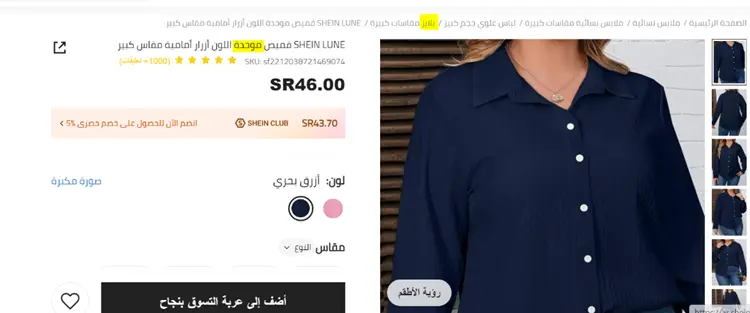
The Mistake of Using Word-to-Word Translated Keywords
Many e-commerce entities make the costly error of literally translating their top-performing English keywords into target languages and deploying them without regional verification. The issue here is that literal word-for-word translations rarely match the actual colloquial search terms that native users type into local search engines.
To avoid this hidden pitfall, investing in professional translation and localization services is paramount. You must initiate every campaign with native keyword research in all target languages, acknowledging that foreign audiences exhibit entirely unique search behaviors, product needs, and consumer expectations. Ensuring that your content resonates accurately with your audience in their native language is a baseline necessity for building market trust, fostering consumer engagement, and boosting e-commerce success.
2. Cultural Insensitivity and Brand Deterrence
Cultural insensitivity in website translation is a perilous pitfall for businesses venturing into global markets. When digital content, color palettes, or visual imagery are not culturally adapted, it leads to unintentional offense, alienation, or misinterpretation among diverse global audiences. This structural disconnect damages your brand’s international reputation and deters potential customers from engaging with your website or completing transactions.

In an increasingly interconnected global economy, respecting distinct cultural nuances is a fundamental business imperative. The capacity to resonate with users at a deeply personal, cultural level builds immediate brand trust and fosters authentic retention. To thrive internationally, companies must invest in culturally sensitive localization solutions that successfully bridge the gap between their brand and the diverse backgrounds of their global customers, ensuring a seamless and respectful user experience that transcends borders. Take advantage of these cultural differences and leverage them as unique ways to communicate with your target countries.

3. Neglecting Multilingual SEO and Discoverability
Neglecting multilingual SEO in website translation has far-reaching, negative consequences for an online business’s visibility. Imagine expanding into a lucrative new international territory, yet your store’s content remains unoptimized for local search engines. This means your target customers will struggle to discover your platform, as your pages will not rank well in relevant localized search queries.
For instance, if you are selling high-quality running shoes in France but fail to research and integrate native French keywords into your metadata, your store will never appear when local consumers search for “chaussures de course” or “meilleures baskets de running”. Consequently, your direct competitors, who prioritized multilingual SEO, will capture the market’s attention and secure the sales, leaving you struggling to gain an operational foothold. Conducting localized keyword research based on localized purchasing habits, regional dialects, and search behaviors is essential to ensure a thriving global e-commerce presence.
4. Poor User Experience (UX), Cart Abandonment, and Bounce Rates
A subpar user experience (UX) in translated digital content can spell disaster for a company’s online growth and long-term reputation. When a potential customer visits a store and encounters content riddled with awkward phrasing, inconsistencies, or structural errors, navigating the interface becomes a frustrating ordeal. Clunky product descriptions and confusing checkout flows directly result in:
- Extremely High Bounce Rates
- High Rates of Abandoned Shopping Carts
- A Permanently Tarnished Brand Image
Visitors who experience a deficient online environment are highly unlikely to return and are prone to sharing their negative feedback with others, deterring vast networks of potential shoppers. To maintain high customer retention and conversion rates globally, businesses must invest in premium translation and localization that completely dissolves language barriers while ensuring a seamless, user-friendly digital layout.
5. Front-End Layout and RTL Formatting Issues
Formatting bugs in website translation, particularly when adapting user interfaces for right-to-left (RTL) languages like Arabic and Hebrew, present intense technical challenges for developers. Without expert engineering, a meticulously designed layout can suddenly appear highly distorted, causing text blocks, alignment containers, and product imagery to overlap or break beyond their designated boundaries.
In global retail, where visual aesthetics and readability directly impact consumer trust, such formatting mishaps alienate users. Shoppers quickly perceive a broken interface as unprofessional or untrustworthy, resulting in immediate site abandonment. Succeeding in vital RTL regions requires specialized UI/UX and front-end professionals who thoroughly understand the intricacies of bidirectional text flow, ensuring that your translated content preserves its complete visual integrity and structural symmetry.
Frequently Asked Questions (FAQ)
1. Why does e-commerce translation require human translation rather than automated plug-ins?
Automated plug-ins translate words literally, ignoring the persuasive tone, localized marketing slang, and industry context needed to drive sales. Human localization specialists craft compelling copy that fits the exact purchasing behaviors, emotional triggers, and technical search terms of your global audience.
2. How do RTL languages like Arabic affect an e-commerce checkout flow?
RTL customization requires complete interface mirroring. This means form fields, checkout buttons, price summaries, sidebars, and payment gateway indicators must be flipped from right to left to align with the natural visual habits of native speakers, preventing layout breaks and cart abandonment.
3. What is the role of local payment methods in e-commerce localization?
Translating the text is only half the battle. True localization involves integrating the preferred payment infrastructure of the target country (such as Fawry in Egypt, Mada in Saudi Arabia, or localized digital wallets) to eliminate transaction friction and build consumer confidence.