
Localization fundamentals: why local experiences — not words alone — win markets
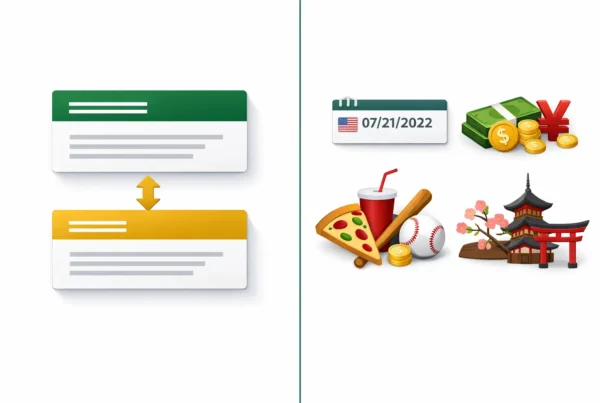
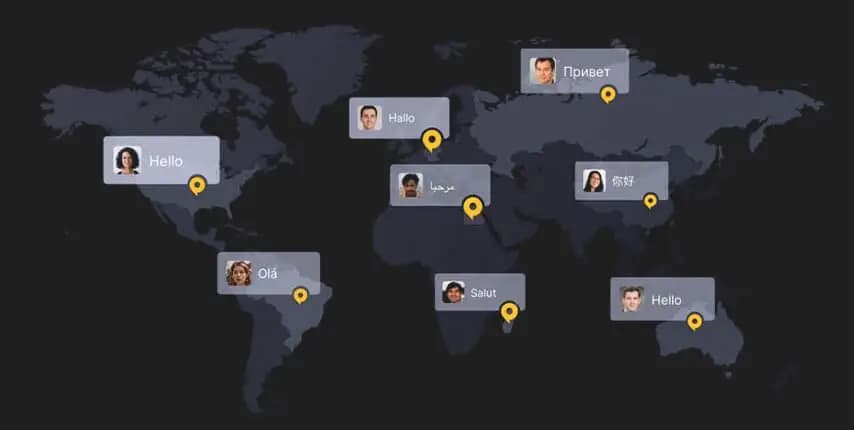
Localization is the craft of making a product, service, or piece of content feel as if it were built locally for every market, and it goes far beyond literal translation. Users don’t judge you by language alone; they read dozens of signals: tone of voice, date, number, and currency formats; the logic of forms and error messages; colors, symbols, imagery, payment methods, and pricing; even the cadence of emails and notifications. When these details align with local expectations, effort drops and trust rises. That’s why Localization fundamentals is a business capability, not a “linguistic task” — it speeds time-to-value, increases purchase confidence, and lengthens customer lifetime. Translation converts words; localization reshapes the entire experience — copy, UI, media, checkout, support, and compliance — so it behaves like something created “here,” not merely shipped “there.”
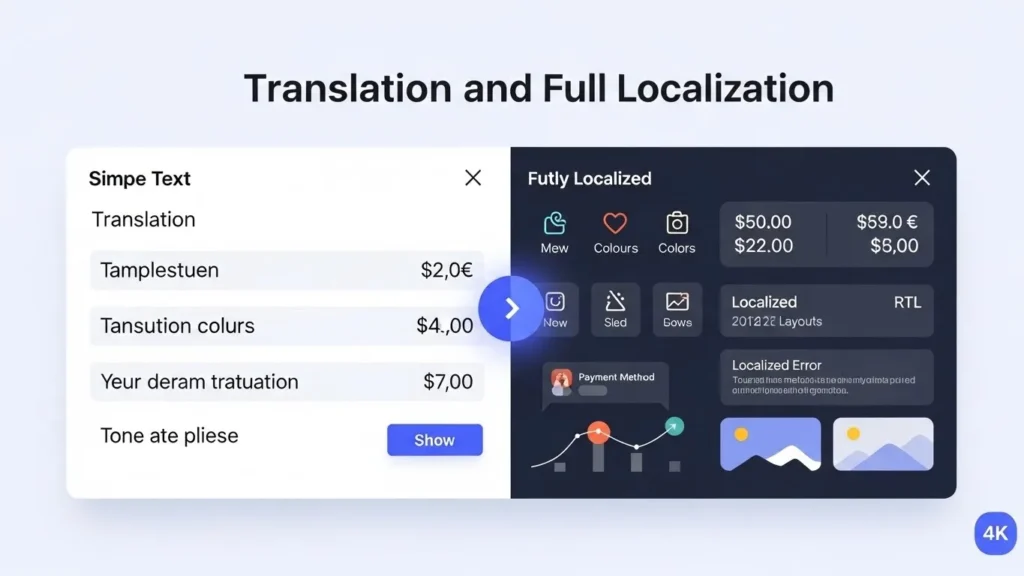 Getting localization right begins with internationalization (i18n), the engineering foundation that makes scale possible: externalize strings from code, support Unicode and right-to-left scripts, implement proper plural and gender rules, and design UI components that tolerate text expansion without clipping or distortion. With i18n in place, adding languages becomes a repeatable, low-friction operation rather than a UI firefight for each release. From there, the craft becomes end to end: inside the product, precise microcopy (tooltips, empty states, error messages) teaches value in the user’s own words; in marketing, localized keywords, headlines, and trust signals lift visibility and conversion; in commerce, regional pricing, preferred payment rails, and clear tax or invoice details remove the final obstacles to purchase; in support, help centers and agents in the customer’s language resolve issues faster and leave a stronger brand impression. Each touchpoint reinforces the others: a familiar-looking UI invites exploration, clear copy shortens onboarding, frictionless payment confirms confidence, and helpful support turns users into advocates.
Cultural relevance is the safety layer for both user experience and brand reputation. Humor, idioms, and references rarely travel intact; colors and symbols carry different meanings; a gesture or image that feels neutral in one country may be inappropriate in another. Effective Localization fundamentals gives adapters permission to rewrite for effect, not cling to literal phrasing, so tone, character, and intent survive the journey. The same sensitivity applies to media: subtitles must be readable and properly timed, voice-overs should match casting and performance norms, and visuals — from iconography to wardrobe — should resonate without diluting the creative vision. When needed, “culturalization” makes precise adjustments to world-building or content so the product remains authentic and appropriate across regions, avoiding avoidable controversy or regulatory friction.
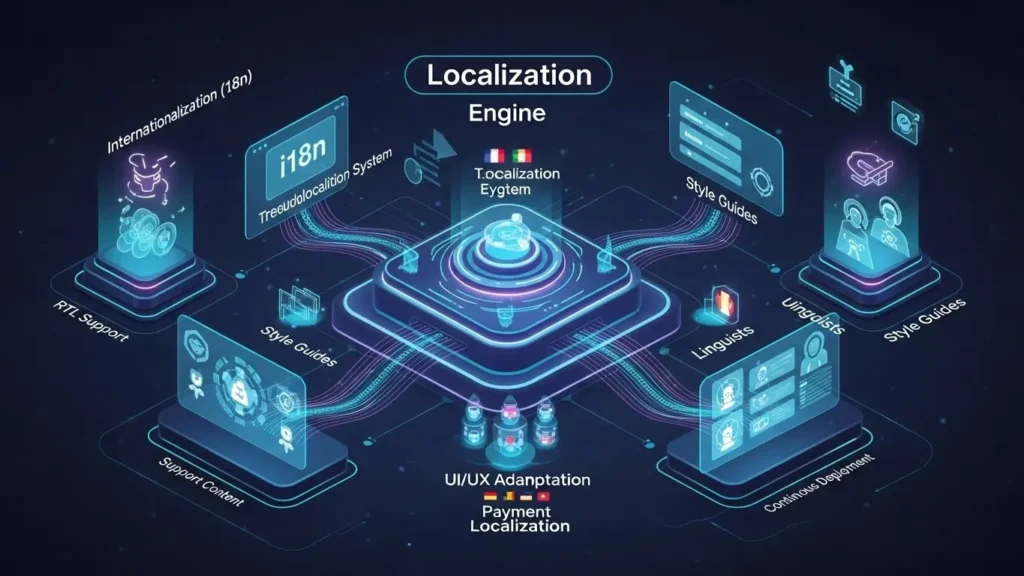 Operationally, modern localization is a loop, not a one-off project. A translation management system connected to your repo and CMS automates handoffs, validates placeholders and variables, and keeps content in lockstep with releases. Pseudolocalization during development exposes truncation, font fallback, and layout breaks before translators touch a string. Living termbases and style guides preserve voice and terminology across teams and vendors. Native linguists with domain expertise — legal, medical, technical, gaming — ensure meaning and compliance survive complexity. Finally, Localization fundamentals quality assurance (LQA) closes the loop: linguistic, UI, and functional checks on real devices and locales verify that what reads well also works well, from sign-up and SSO to billing, notifications, PDFs, and downloads. That is where polished language and reliable behavior meet — the only place users experience quality.
Leaders should measure localization like any growth lever. Per locale, track sign-up conversion, time-to-value during onboarding, feature adoption, average order value or ARPPU, support ticket volume and deflection, NPS or review sentiment, and refund or chargeback rates. In marketing, monitor organic visibility for localized keywords, landing-page conversion, and campaign performance by language. Use these signals to prioritize next markets, deepen investment where ROI is strongest, or refine messaging, pricing, and formats where friction remains. The pattern is consistent: localization lifts acquisition by matching search behavior, accelerates activation by clarifying value in context, increases conversion by removing purchase doubts, and strengthens retention by making daily use feel natural.
The pitfalls are predictable and avoidable: treating localization as an afterthought instead of planning i18n early; concatenated strings and hard-coded grammar that break gender and plural forms; literal translations that flatten humor and intent; skipping LQA and letting users discover truncation, broken tokens, or unreadable fonts in production; neglecting accessibility — captions, contrast, screen-reader order, dyslexia-friendly fonts — which quietly excludes customers and invites poor reviews. Each risk shrinks when you plan i18n upfront, equip linguists with screenshots and usage notes, automate the pipeline, and test like your reputation depends on it — because it does.
In the end, localization turns global ambition into local relevance. It makes a product feel less foreign and more familiar; it moves a brand from being noticed to being trusted; it converts interest into revenue without asking users to do the cultural translation themselves. Build internationalization once, localize the entire journey — not just the homepage — and keep the loop alive with continuous updates and real-market feedback. Do that, and you won’t merely translate content — you’ll open markets.
Level up your game’s global reach — start your localization journey today.