
Investing in Saudi Arabia? Here’s Why Arabic Language Policy Matters
The Council of Ministers has officially approved the National Arabic Language Policy, recognizing Saudi Arabia not only as the home of the Arabic language but also as a global reference for it. This policy is designed to strengthen the value of Arabic, reinforce its role as a core element of Saudi identity, and ensure its active use across public, private, and nonprofit sectors. It also aims to make Saudi Arabia an attractive destination for individuals wishing to learn Arabic, supporting the practical and cultural integration of the language into all areas of life. By emphasizing Arabic as a key element of education, media, research, business, and international communication, the policy provides a foundation for greater linguistic consistency and cultural coherence within the Kingdom.
Key Principles of the National Arabic Language Policy
The policy is built on several guiding principles to ensure that Arabic maintains its cultural, educational, and economic significance:
- Arabic as the official language:
Arabic is mandated as the language of all public authorities’ work, with allowances for other languages when necessary. The private and nonprofit sectors are also encouraged to prioritize Arabic in communications and documentation, while ensuring compliance with other applicable regulations. - Strengthening Arabic in education:
Arabic should be the primary medium of instruction at all educational levels. This approach allows students to develop strong linguistic skills, acquire knowledge effectively, and engage deeply with the intellectual and cultural heritage of the language. - Enhancing Arabic in public life:
Arabic must be widely used in contracts, certificates, awards, signage, invoices, advertisements, place names, initiatives, conferences, and seminars. This ensures that Arabic is visible and actively used in the day-to-day operations of all sectors. - Promoting Arabic in scientific research:
Universities and research institutions are encouraged to conduct research and publish findings in Arabic, including interdisciplinary studies. This strengthens Arabic’s role in scientific discourse and its influence on innovation and knowledge dissemination. - Highlighting Arabic in media:
Media organizations are tasked with presenting Arabic accurately and consistently across all platforms, whether through original content or translations. This ensures that the language maintains its integrity while reflecting Saudi Arabia’s cultural identity. - Establishing Arabic in business:
Arabic should be integrated into administration, correspondence, communication, and recruitment. Businesses are encouraged to leverage Arabic as a strategic asset, creating economic opportunities linked to language and culture. - Activating Arabic internationally:
Arabic should be used in international meetings, conferences, and official communications. When other languages are required, accurate translation must be provided to preserve clarity and professionalism. - Enhancing Arabic in culture and the arts:
Cultural and artistic institutions are encouraged to embed Arabic in their work and products, positioning it as a foundational pillar of Saudi national identity.
Why Entrepreneurs and Investors Can’t Ignore This Policy؟
The policy has significant implications for entrepreneurs and investors. Those entering the Saudi market must prioritize Arabic in the presentation of products and services. Collaborating with experienced translation and localization providers ensures that businesses comply with cultural norms, legal requirements, and linguistic standards. This approach allows foreign companies to establish a strong presence while avoiding misunderstandings or miscommunications that could affect their reputation or operational success.
The policy has significant implications for entrepreneurs and investors. Those entering the Saudi market must prioritize Arabic in the presentation of products and services. Collaborating with experienced translation and localization providers ensures that businesses comply with cultural norms, legal requirements, and linguistic standards. This approach allows foreign companies to establish a strong presence while avoiding misunderstandings or miscommunications that could affect their reputation or operational success.
For full details and the official text of the decision, you can refer to the announcement published on the official website:
https://www.uqn.gov.sa/details?p=28846
How Saudisoft Supports Professional Arabic Translation and Localization
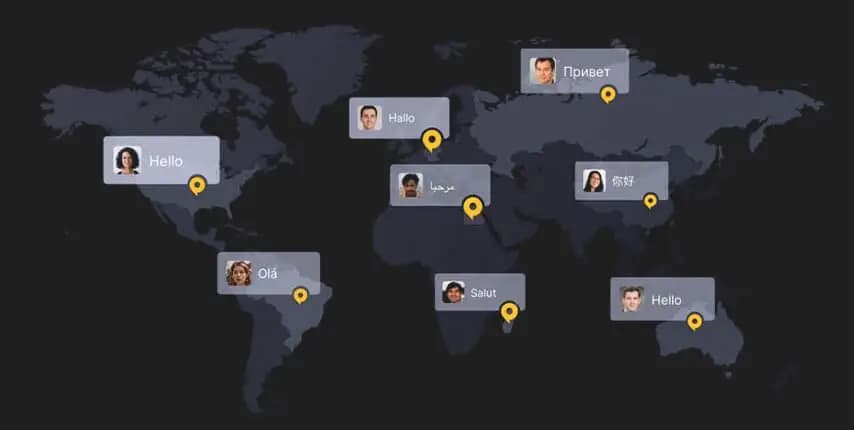
Saudisoft, a Saudi-founded company with over 40 years of experience, is a leading provider of professional translation and localization services for foreign investors and entrepreneurs in Saudi Arabia. Services include:
- Government Translation:
Conference interpretation, official document translation, diplomatic correspondence, and formal statements. - Legal Translation:
Translation of personal legal documents, business contracts, employment agreements, sales and acquisition contracts, court records, and litigation materials. - Multimedia:
Translation of creative content, subtitling, voiceover, and dubbing services to ensure media content resonates with Arabic-speaking audiences. - Healthcare:
Translation of medical reports, research papers, pharmaceutical information, clinical trial documentation, and patient-provider interpretation. - Education:
Translation and cultural adaptation of e-learning content, localization of user interfaces, navigation elements, and multimedia components to enhance accessibility for learners. - Software Localization:
Adaptation of user interfaces, graphics, multimedia, websites, and software applications to ensure usability and cultural relevance.
Arabic has now become an essential gateway to entering the Saudi market, one of the most attractive and investment-friendly markets in the world. By prioritizing professional Arabic translation and localization, entrepreneurs and investors can confidently navigate the market, reach a broader audience, and establish their presence effectively.
Take the first step toward successful investment in Saudi Arabia by leveraging professional translation and localization services to ensure your products and services align with the Kingdom’s linguistic and cultural standards.