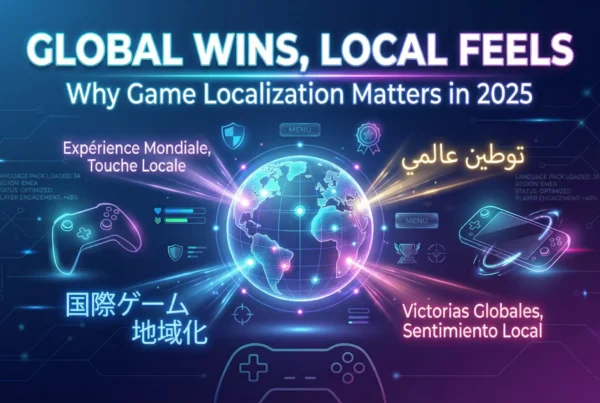

Game Localization: Why Today’s Game Studios Can’t Ignore It
In today’s gaming world, the user base is global by nature — but far too many studios and publishers treat localization as an afterthought. They assume that developing a game in their native language will be sufficient. That’s a risky assumption. Without localization, games often struggle to break into fast-growing markets such as Latin America, Southeast Asia, and the Middle East — potentially losing access to around 1.5 billion gamers.
Localization for games isn’t just about translation — it’s about adapting UI elements, in-game text, voiceovers or subtitles, cultural references, and even monetization models to fit each region. Unfortunately, AI alone can’t handle all of that, especially when culture, creativity, and emotional engagement are required. That’s why game studios simply can’t skip localization.
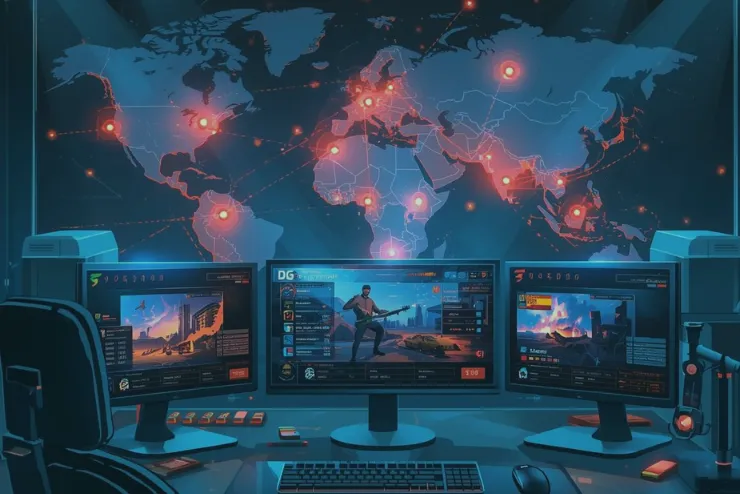
Game Localization Tapping into global growth opportunities
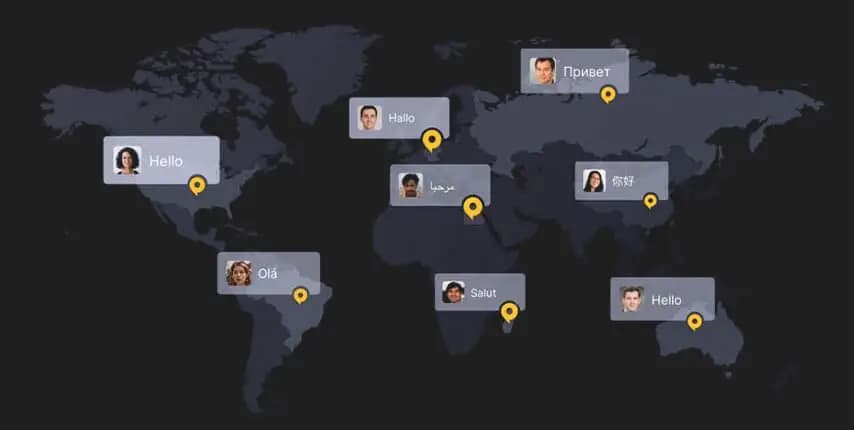
The global gaming market is increasingly diverse and multilingual. Studios that rely solely on one language or one region severely limit their potential. Research shows that games that are properly localized have a significantly higher chance of success in international markets.
For example, players prefer games available in their native language, which increases both reach and retention. Without localization, you risk remaining invisible to a vast audience.
Preserving immersion and player engagement
A game that was built for one culture but shipped “as is” into another runs the risk of feeling unnatural, confusing, or even offensive. Localization ensures that characters, narrative, UI, and gameplay fit the expectations of each target market. It isn’t enough to translate the text; you must adapt idioms, humor, visuals, and even game mechanics where necessary.
Immersion is broken when players struggle with mismatched dialogues, items, or references they sense that “this wasn’t made for me.” That perception kills engagement.
Monetization and market-specific models
Localization also extends into how you monetize a game. Payment methods, pricing, and cultural attitudes toward microtransactions or subscriptions all vary by region. If your game doesn’t support local payment methods or local spending behaviors, you’ll lose potential revenue. And revenue is only meaningful if players are retained, engaged, and feel the game speaks their language.
Cultural relevance and legal compliance
Different regions bring unique cultural expectations, legal frameworks, and content sensitivities. A game might need to modify or remove content, adapt visuals, or localize voice acting and subtitles to meet local norms — and to avoid regulatory issues.
Skipping localization can expose you to backlash from players, banned versions, or regulatory hurdles. Meanwhile, properly localized games reflect respect for local audiences and build stronger brand credibility.
Challenges and why studios delay localization
Despite the clear benefits, many studios delay or neglect Game Localization due to perceived cost, complexity, or time-to-market pressures. Some assume initial success in their home market is enough before taking the leap globally. But that strategy is risky. Missing the window in targeted international markets means competitors gain first-mover advantage and capture player loyalty early.
Moreover, localization is not simply “run the text through Google Translate.” It requires planning from the early stages of development — UI must account for text expansion, UI layouts may need redesign, voice and subtitle assets must be prepared, and cultural adaptation must be baked in.
This upfront investment pays off massively later.
Why studios should partner with experts like Saudisoft
At Saudisoft, we specialize in game localization that preserves immersion and engagement ensuring your next title feels native in every language and region. From adapting UI and gameplay flows to recording voiceovers and managing cultural localization, we deliver end-to-end solutions that go beyond translation. Your game deserves global reach and local relevance.
Let’s bring your next game to players everywhere.