معرض جيتكس دبي
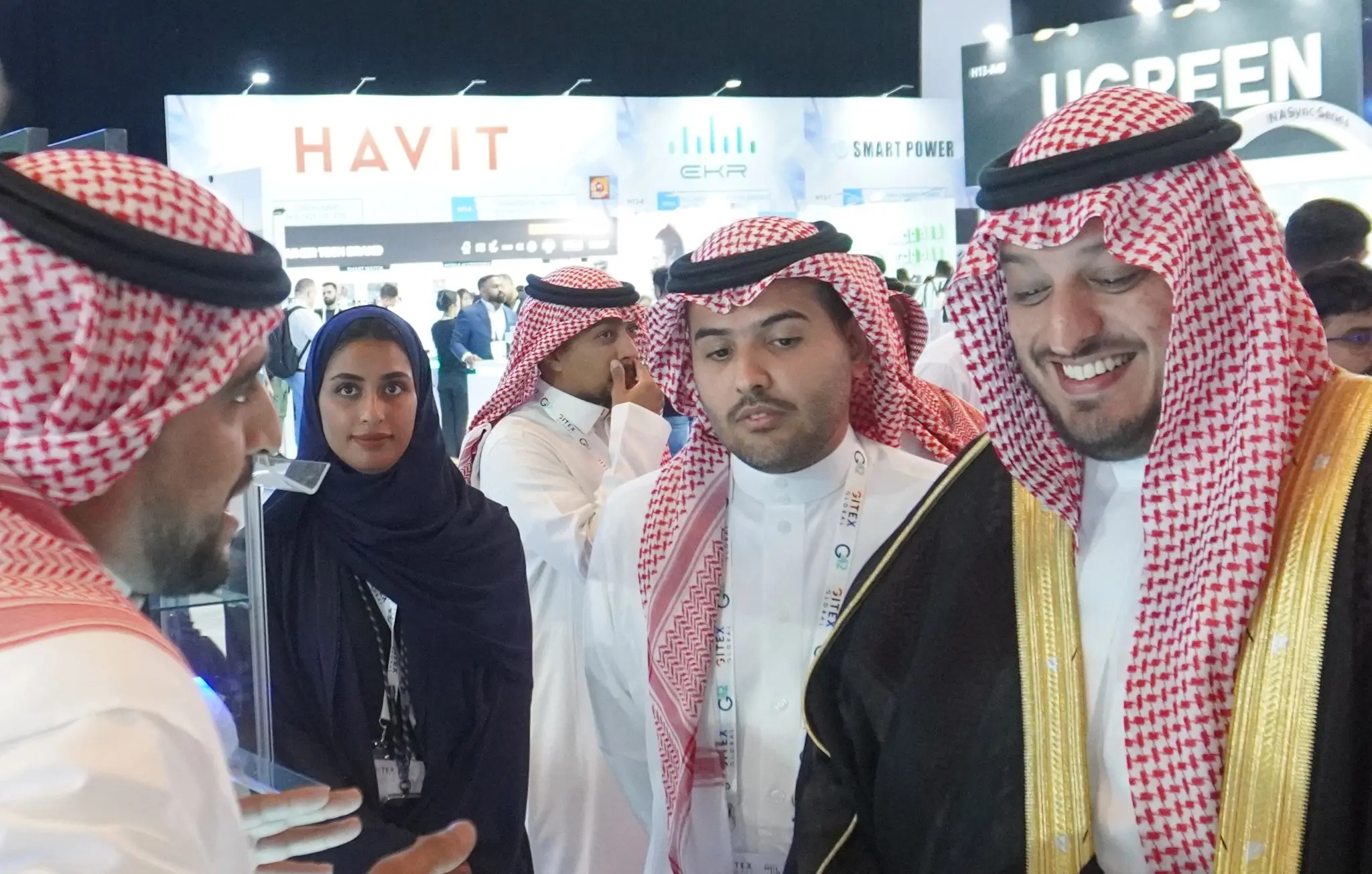
هو الحدث التقني الأبرز في منطقة الخليج والشرق الأوسط، يجمع لمعرض رواد صناعة التقنية والشركات الناشئة لعرض أحدث الابتكارات في مجالات الذكاء الاصطناعي، والجيل الخامس، وغيرها من التقنيات المتطورة. معرض جيتكس يعد فرصة مثالية لإبرام الصفقات والشراكات الاستراتيجية.يجذب معرض جيتكس في دبي آلاف العارضين من جميع أنحاء العالم، حيث أكثر من 800 جهة حكومية من المنطقة تعد أهم العارضين، مما يجعله المنصة الأبرز لإبرام الصفقات والشراكات بين القطاعين العام والخاص وأيضا الخاص والخاص. يشهد المعرض توقيع مذكرات تفاهم عديدة، وإطلاق مبادرات مبتكرة وشراكات بين أكبر الشركات ، مما يساهم في دفع عجلة التحول الرقمي في المنطقة.يقام جيتكس في الفترة من 14 إلى 18 أكتوبر وتعد هذه النسخة هي النسخة الرابعة والأربعون من معرض جيتكس جلوبال في دبي. يضم جيتكس دبي 2024 أكبر شركات التكنولوجيا حول العالم في أكثر من 26 قطاعاً مختلفين.
هو الحدث التقني الأبرز في منطقة الخليج والشرق الأوسط، يجمع لمعرض رواد صناعة التقنية والشركات الناشئة لعرض أحدث الابتكارات في مجالات الذكاء الاصطناعي، والجيل الخامس، وغيرها من التقنيات المتطورة. معرض جيتكس يعد فرصة مثالية لإبرام الصفقات والشراكات الاستراتيجية.يجذب معرض جيتكس في دبي آلاف العارضين من جميع أنحاء العالم، حيث أكثر من 800 جهة حكومية من المنطقة تعد أهم العارضين، مما يجعله المنصة الأبرز لإبرام الصفقات والشراكات بين القطاعين العام والخاص وأيضا الخاص والخاص. يشهد المعرض توقيع مذكرات تفاهم عديدة، وإطلاق مبادرات مبتكرة وشراكات بين أكبر الشركات ، مما يساهم في دفع عجلة التحول الرقمي في المنطقة.يقام جيتكس في الفترة من 14 إلى 18 أكتوبر وتعد هذه النسخة هي النسخة الرابعة والأربعون من معرض جيتكس جلوبال في دبي. يضم جيتكس دبي 2024 أكبر شركات التكنولوجيا حول العالم في أكثر من 26 قطاعاً مختلفين.
جيتكس ليس مجرد منصة لعرض المشروعات فقط، بل سيتم تنظيم أحدث ورش العمل والتدريبات في كل مجالات التقنية والتعلم العميق.
كل هذه الأسباب وأكثر تجعل جيتكس الوجهة الأولى للمستثمرين في التقنيات في الخليج والشرق الاوسط. لنتعرف معًا على أهم الفوائد التي يسعى لها متخذو القرار في الشركات الكبرى عنجد حضورهم جيتكس دبي:
أربع أسباب تجعل متخذي القرار ينتظرون جيتكس دبي
فرصة لاستكشاف أحدث التقنيات العالمية
يجمع المعرض أحدث وأكبر الابتكارات من جميع أنحاء العالم. سواء كنت مهتمًا بتكنولوجيا المعلومات، أو الاتصالات، أو الذكاء الاصطناعي، أو أي مجال تقني آخر، فإن معرض جيتكس لديه ما يناسبك. فإذا كنت تبحث عما يناسبك فستجد كل شيء بدءًا من استكشاف أحدث الحلول وحتى ما يساعدك في البقاء في صدارة اتجاهات الصناعة في الدول التي ستستهدفها، يعد معرض جيتكس دبي 2024 حدثً لا بد من حضوره. في جيتكس جلوبال يمكنك التواصل مع قادة الصناعات من جميع الدول والاتصال بحكومات البلدان المختلفة والشركات الناشئة والمستثمرين لعقد الصفقات.
البحث في سوق التقنية وتحليل السوق
خطوة بحث السوق واحدة من الخطوات التي تشكل قاعدة الهرم عندما يأتي الأمر لبدء مشروع تجاري والتسويق له. يحث خبراء التسويق أصحاب الأعمال حضور المعارض الدولية مثل جيتكس دبي للتعرف على أحدث صحيات السوق العالمية، احتياجات السوق العالمي والمنافسين. يوفر معرض جيتكس دبي 2024 فرصة فريدة للتعمق في اتجاهات السوق وتحليل المنافسين واكتشاف التقنيات الناشئة. من خلال التعامل مع قادة الصناعة والشركات الناشئة في المعرض، ستحصل على رؤى قيمة حول أحدث الابتكارات وفرص الاستثمار المحتملة. سواء كنت شركة أو رائد أعمال ناشئ، فإن معرض جيتكس هو المكان المناسب لأبحاث السوق التقني حول العالم.
تكوين شراكات في صناعة التقنية والأعمال
إذا كنت تمتلك عملك الخاص في المجال التقني في أحد دول الشرق الأوسط وتسعى للتوسع عالميًا؛ فأن معرض جيتكس دبي 2024 هو الفرصة التي تحتاجها للانتقال إلى العالمية عبر تكوين الشراكات من أصحاب الأعمال من دول مختلفة في أقاليم وقارات أخرى. في جيتكس دبي يمكننك من التواصل وتكوين الشركات مع الآلاف من المبدعين والقادة من الشركات الكبرى والشركات الناشئة في قطاع تقنيات المعلومات والاتصالات من أوروبا وآسيا والأميركتين. ويستقطب معرض جيتكس عشرات الآلاف من الحضور، بما في ذلك رواد الأعمال والتقنيون وعشاق تقنيات المعلومات ومحترفو الأعمال. مما يساعد في خلق فرصًا كبيرة للتواصل وإجراء اتصالات قيمة ومناقشة التحول التقني.
يوفر جيتكس فرص تعليمية وورش تدريبية
في جيتكس دبي 2024 إلى جانب المعارض، يتميز معرض جيتكس بالمؤتمرات والندوات وورش العمل التي يقودها خبراء صناعة التقنية. تغطي هذه المحاضرات مجموعة واسعة من المواضيع التقنية، مثل التحول الرقمي والأمن السيبراني. فإذا كنت تتطلع إلى اكتساب معلومات ومهارات علمية وعملية جديدة ، فإن معرض جيتكس يقدم فرصًا تعليمية قيمة لمساعدة شركتك على النمو والتطور في دول مختلفة والانتشار عالميًا وأيضًا يساعدك في الحافظ على ميزاتها التنافسية في عالم التقنية سريع التطور.
وصول خدماتك لدول مختلفة والتوسع والانتشار العالمي
يعتبر معرض جيتكس دبي قبلة للمهتمين بالتقنية من العالم العربي وبوابتهم النمو العالمي. حيث يستقطب جيتكس الحضور والعارضين من جميع أنحاء العالم الذين يهدفون لعرض منتجاتهم وخدماتهم والانتشار على مستوى عالمي وعقد شراكات في منطقة الشرق الأوسط مع منظمات وحكومات من مناطق مختلفة. إذا كانت شركتك شركة ناشئة، يمكنك اكتشاف الأفكار المبتكرة من الشركات الناشئة والتواصل مع المستثمرين المحتملين وقادة الأعمال من جميع دول العالمي العربي والعالمي.
إطلاق المنتجات والخدمات الجديدة والتوعية بعلامتك التجارية
الكثير من أصحاب المشاريع والحلول التقنية ينتظرون جيتكس دبي ليكون المنصة التي تشهد انطلاق مشاريعهم إلى العلن فتكون فرصة قوية ليتعرف أصحاب المشاريع أو جمهورك المستهدف على منتجاتك في بيئة تدعم الشراكات مع شركاء عالميون. ليس هذا فقط، حيث يوفر المعرض تغطية إعلامية لمشروعك، تساعدك في جذب الانتباه وكسب مكانة مميزة لعلامتك التجارية كشركة رائدة في صناعة التقنية. بالإضافة إلى ذلك، في معرض جيتكس ستتاح لك الفرصة لاستكشاف أحدث الابتكارات التقنية في مجال الذكاء الاصطناعي وتقنية سلسلة الكتل “البلوك تشين” ومعرفة كيف تشكل هذه التقنيات المستقبل.
لا تفوت فرصة لقاء سعودي سوفت في جيتكس دبي. فخورون بأننا بين أفضل الشركات التقنية في العالم ونتطلع إلى التواصل مع عملائنا وعقد المزيد من الشراكات خلال المعرض لخلق فرص جديدة والتوسع عالميًا.